
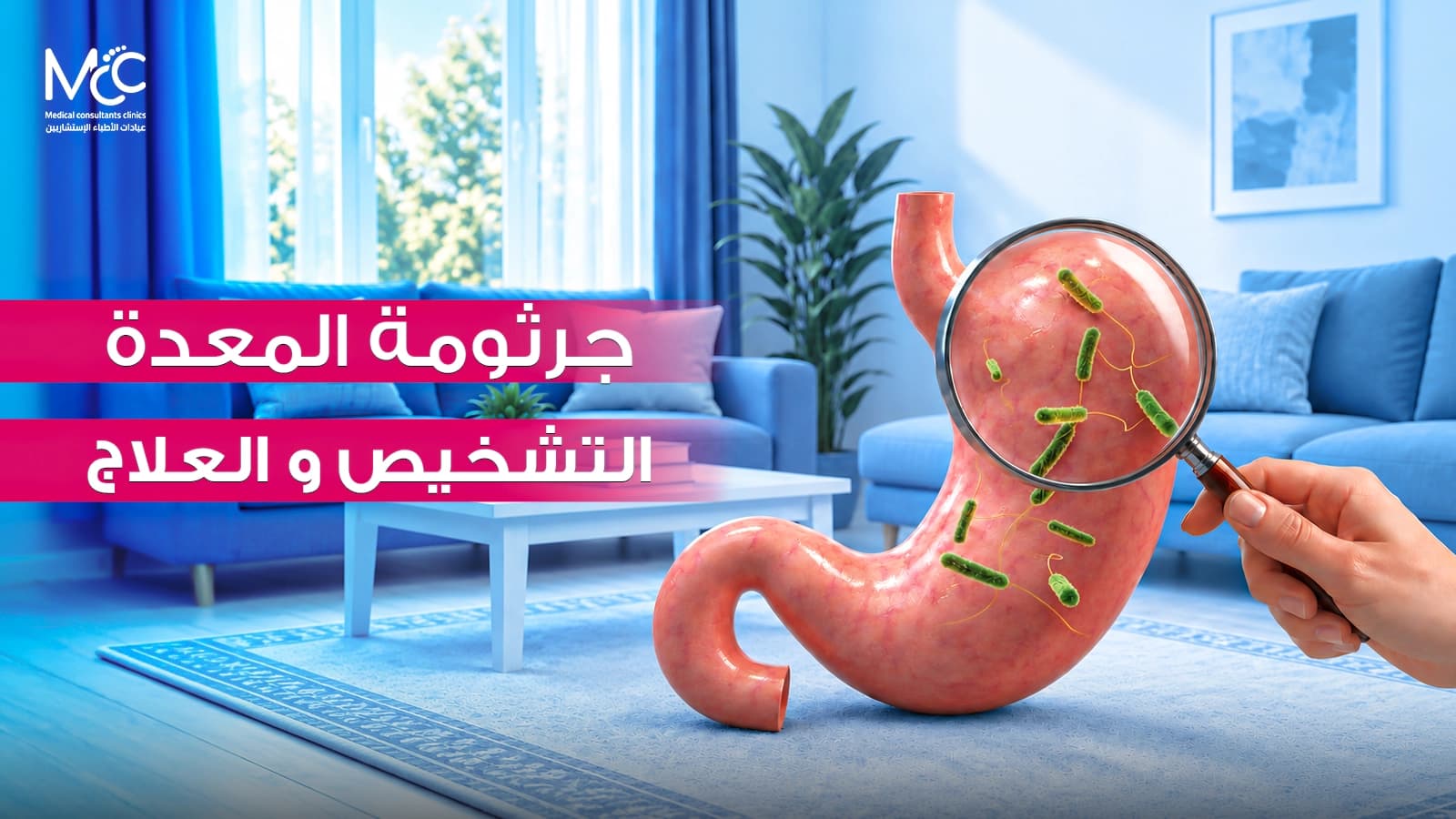
Helicobacter pylori (H. pylori) is one of the most common bacterial infections worldwide. More than half of the world’s population may experience H. pylori infection at some point in life, with many infections occurring during childhood. While many people have no symptoms, the infection can cause gastritis and peptic ulcers and is also associated with an increased risk of certain types of stomach cancer.
What Is H. pylori?
H. pylori is a type of bacteria that can live within the protective mucus layer lining the stomach. It may spread through contact with saliva, vomit, or stool and can also be transmitted through contaminated food or water.
Causes of H. pylori Infection
Several factors may increase the risk of H. pylori infection, including living in crowded conditions, having limited access to safe drinking water, living with someone who has the infection, and exposure during childhood. Sharing food or utensils may also contribute to transmission through saliva.
Symptoms of H. pylori Infection
Many people with H. pylori infection do not develop noticeable symptoms. When symptoms occur, they may include upper abdominal pain or burning, nausea, bloating, frequent belching, loss of appetite, early fullness, and unintentional weight loss.
Vomiting blood, passing black or tarry stools, or experiencing severe and persistent abdominal pain requires urgent medical evaluation.
How Is H. pylori Treated?
H. pylori treatment generally involves a combination of medications designed to eradicate the bacteria, reduce stomach acid, and support healing of the stomach lining. Treatment commonly includes two or more antibiotics combined with an acid-suppressing medication such as a Proton Pump Inhibitor (PPI). Bismuth may also be included in certain treatment regimens.
According to the 2024 American College of Gastroenterology (ACG) guideline, optimized Bismuth Quadruple Therapy for 14 days is a recommended treatment option in many cases. This regimen includes a PPI, Bismuth, Tetracycline, and Metronidazole. The appropriate treatment depends on factors such as previous antibiotic exposure and local or individual antibiotic resistance considerations.
Recommended Foods for People with H. pylori
There is no specific diet that can eradicate H. pylori. However, choosing foods that are gentle on the stomach may help manage digestive symptoms. Light, balanced meals, cooked vegetables, soups, and lower-fat foods may be easier to tolerate for some patients.
It may also be helpful to reduce spicy or acidic foods and beverages if they trigger symptoms. Importantly, spicy foods do not cause H. pylori infection, but they may worsen symptoms associated with gastritis or peptic ulcers in some people.
After completing treatment, follow-up testing is generally recommended at least four weeks after treatment to confirm that the infection has been successfully eradicated, according to the treating physician’s plan.
Specialized H. pylori Care at MCC Clinic
At MCC Clinic, care for patients with H. pylori begins with a thorough medical assessment of symptoms and medical history, followed by the appropriate diagnostic evaluation and an individualized treatment plan.
Our medical team provides guidance throughout the treatment journey, including advice on medications, nutrition, and lifestyle habits. Follow-up care also helps assess the patient’s response to treatment and confirm successful eradication of the infection through appropriate testing.
Frequently Asked Questions
Can H. pylori Cause Heart Twinges?
H. pylori is not considered a direct cause of heart pain or cardiac chest pain. The infection can cause gastritis, indigestion, bloating, and upper abdominal discomfort, which some people may perceive around the upper abdomen or chest.
However, chest pain should not automatically be attributed to H. pylori. Severe chest pain, particularly when accompanied by shortness of breath, sweating, dizziness, or pain spreading to the arm or jaw, requires urgent medical assessment.
What Foods Should People with H. pylori Avoid?
There is no universal list of foods that every person with H. pylori must avoid. However, it may be helpful to limit spicy foods, high-fat meals, caffeinated beverages, and acidic foods if they worsen symptoms such as abdominal discomfort, heartburn, or indigestion.
Most importantly, dietary changes can help manage symptoms, but they do not replace the antibiotics and prescribed medical treatment required to eradicate H. pylori.
This article is for general awareness and does not replace consulting a specialist. Please visit the clinic to assess your condition.
Have a health question?
Reach our medical team on WhatsApp.