
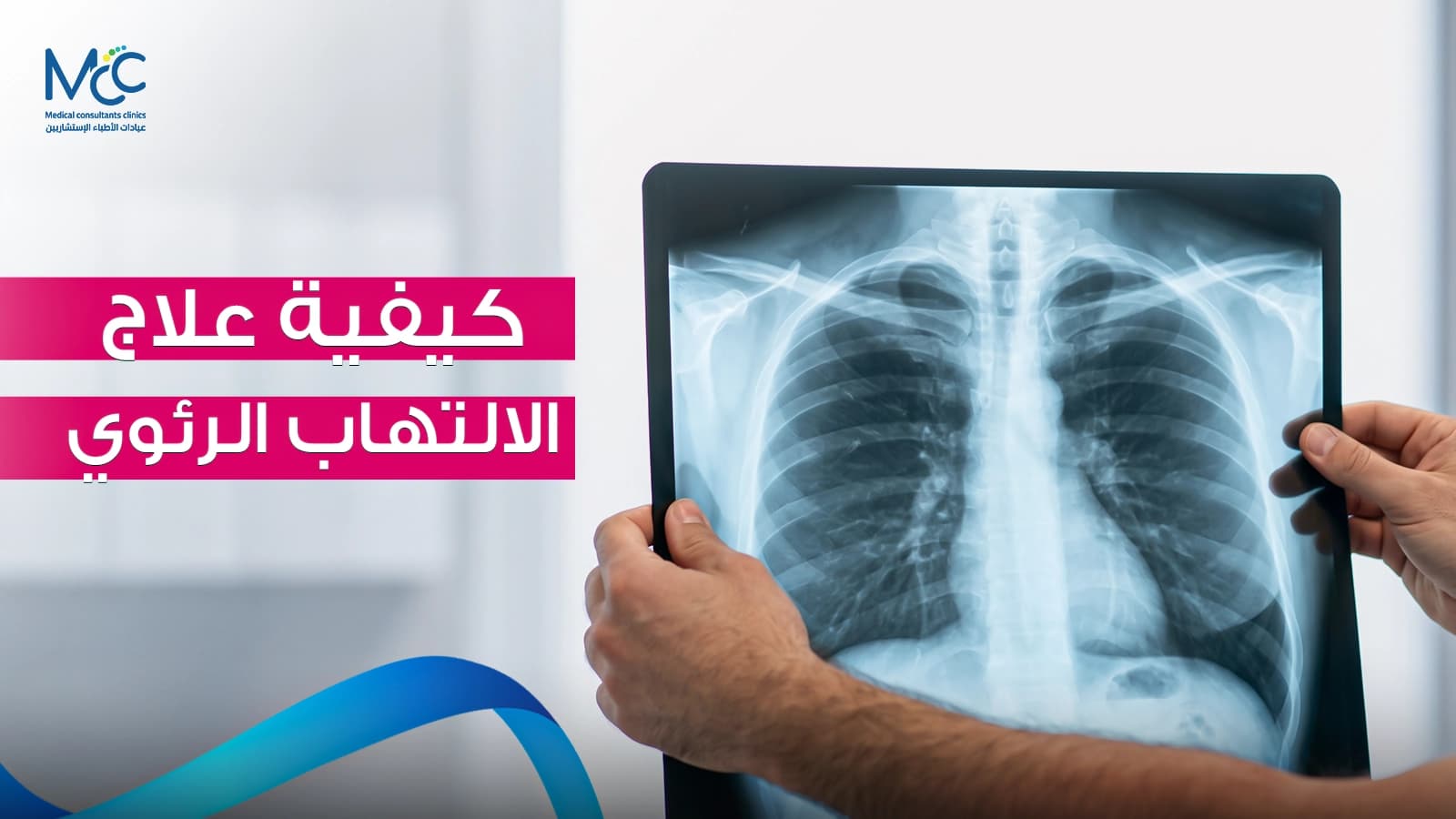
Pneumonia is a respiratory infection that affects one or both lungs. It can cause the air sacs, or alveoli, to fill with fluid or pus, which may interfere with breathing and oxygen delivery. Pneumonia can be caused by bacteria, viruses, or fungi, and its severity varies depending on the infectious organism, the patient’s age, and overall health.
According to the World Health Organization (WHO), pneumonia remains one of the leading infectious causes of death among children worldwide. CDC data also show that more than 41,000 people died from pneumonia in the United States in 2022.
What Is Pneumonia?
Pneumonia is an infection that affects the alveoli inside the lungs and may cause fluid or inflammatory secretions to accumulate within them.
Mild cases can often be managed at home, while severe pneumonia may require hospitalization and respiratory support. Older adults, young children, people with chronic conditions, and individuals with weakened immune systems are at greater risk of complications
Causes of Pneumonia
Pneumonia can have different causes depending on the type of infection. The main causes include bacteria, viruses, and fungi. Streptococcus pneumoniae is one of the most common bacterial causes, while several respiratory viruses can also lead to pneumonia.
Risk factors may include smoking, weakened immunity, older age, certain chronic medical conditions, exposure to air pollution, and contact with respiratory infections.
Symptoms of Pneumonia
Symptoms can vary from mild to severe and may include cough, fever, chills, shortness of breath, chest pain when breathing or coughing, severe fatigue, and low blood oxygen levels. Some patients may also experience nausea, vomiting, or diarrhea.
Older adults may develop less typical symptoms such as confusion or sudden weakness.
Prompt medical evaluation is important if a patient develops significant breathing difficulties, severe chest pain, low oxygen levels, or noticeable deterioration.
Pneumonia Treatment
Pneumonia treatment depends on the underlying cause, severity of the infection, the patient’s age, and overall health. Bacterial pneumonia may require antibiotics, while antiviral medications may be used for certain viral infections and antifungal medications for fungal pneumonia.
Treatment may also include rest, adequate fluids, and medications to manage fever or pain when appropriate. Severe cases may require hospitalization for intravenous fluids or medications, oxygen therapy, and, in critical cases, mechanical ventilation.
Diagnosis and treatment are based on the clinical assessment and appropriate diagnostic tests, which may include a Chest X-ray, Pulse Oximetry, blood tests, or sputum testing, depending on the patient’s condition.
MCC Tips for Preventing Pneumonia
At MCC Clinic, we recommend maintaining good hand hygiene, avoiding smoking, limiting close contact with people who have respiratory infections, and following healthy lifestyle habits to help reduce the risk of pneumonia.
Recommended vaccinations are also an important preventive measure against certain types of pneumonia.
Vaccination should be based on age, medical history, and individual recommendations from a healthcare professional. WHO and CDC both emphasize vaccination, hygiene, and healthy habits as important measures for reducing pneumonia risk.
How Does MCC Care for Patients with Pneumonia?
At MCC Clinic, pneumonia care begins with a comprehensive medical assessment, including evaluation of symptoms, vital signs, and the patient’s overall health. Appropriate diagnostic tests may be performed when needed to assess the severity of the infection and identify its likely cause.
Our medical team develops an individualized treatment plan based on each patient’s condition while monitoring respiratory status, oxygen levels, and response to treatment. Patients requiring a higher level of medical support can be referred to the appropriate level of care.
Frequently Asked Questions
How Can I Tell If My Lungs Are Inflamed?
Pneumonia cannot be confirmed based on symptoms alone because its symptoms can resemble those of a cold or influenza. Diagnosis requires a medical assessment and physical examination and may include a chest X-ray, oxygen saturation measurement, and other tests depending on the patient’s condition.
When Is Pneumonia Dangerous?
Pneumonia can become serious when it causes severe breathing difficulties, low oxygen levels, altered mental status, significant chest pain, or rapid deterioration.
The risk of complications is also higher among older adults, young children, people with chronic conditions, and those with weakened immune systems.
How Long Does It Take to Treat Severe Pneumonia?
Treatment and recovery time vary depending on the type and severity of pneumonia and the patient’s overall health. Some patients begin to feel better within days after appropriate treatment starts, but full recovery can take several weeks, and fatigue may persist for a month or longer in some people.
This article is for general awareness and does not replace consulting a specialist. Please visit the clinic to assess your condition.
Have a health question?
Reach our medical team on WhatsApp.