
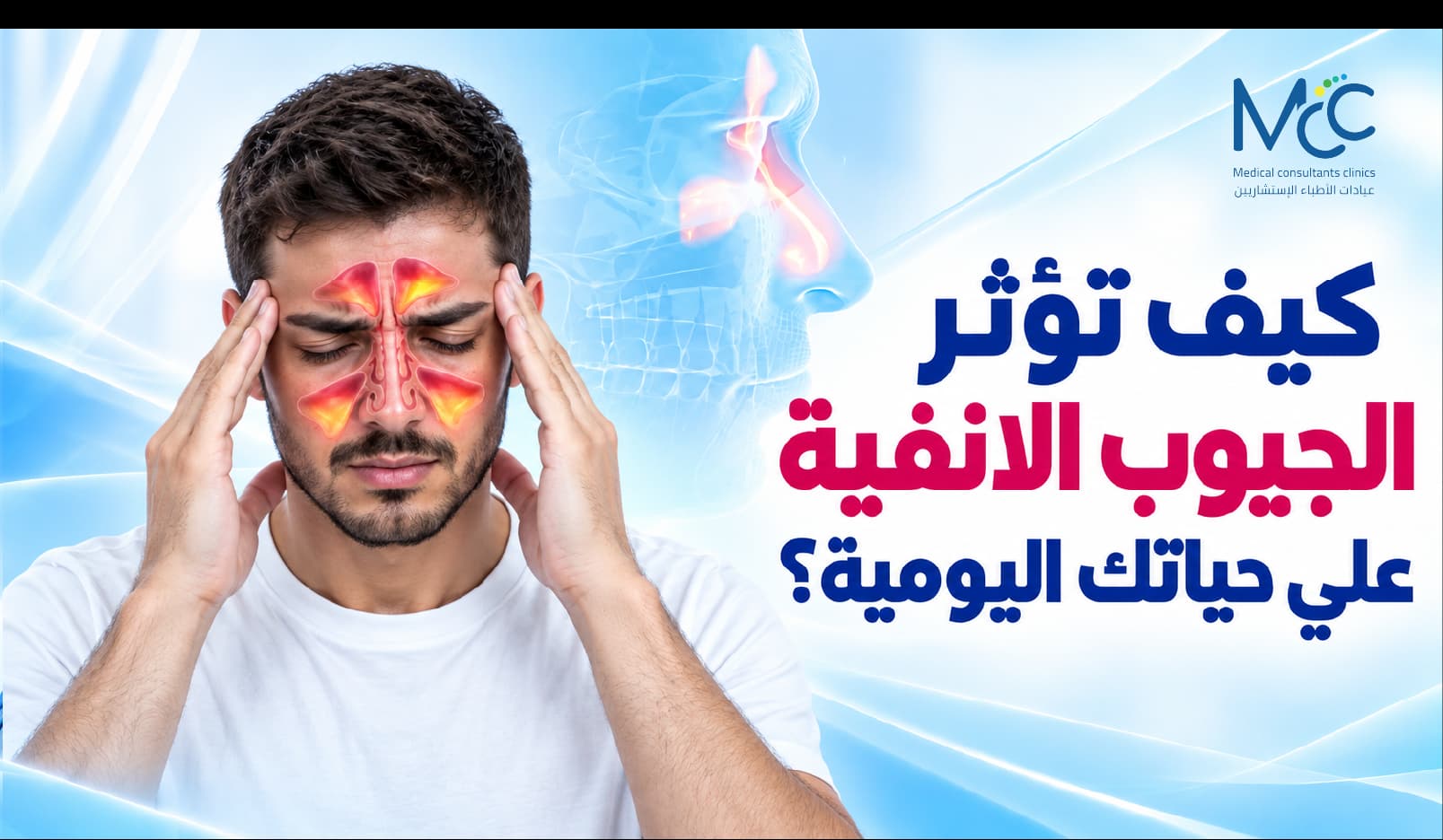
Sinusitis is a common condition that occurs when the sinuses become inflamed or swollen, which can interfere with normal mucus drainage and cause nasal congestion, facial pressure, or pain. According to the CDC, approximately 90–98% of acute rhinosinusitis cases are viral, meaning antibiotics are not helpful for most cases.
What Is Sinusitis?
The sinuses are air-filled spaces located around the nose, eyes, and forehead. When they become inflamed, mucus can build up, causing nasal congestion, facial pressure or pain, and difficulty breathing through the nose.
Acute sinusitis is commonly associated with a cold or viral respiratory infection, and most cases improve within approximately one to 10 days. When symptoms continue for 12 weeks or longer despite medical treatment, the condition may be classified as Chronic Sinusitis (Chronic Rhinosinusitis).
Common Causes of Sinusitis
Viral infections, particularly the common cold, are among the most common causes of sinusitis. Some cases may develop into bacterial infections, particularly when symptoms persist or become worse after initially improving.
Allergies, smoking and secondhand smoke exposure, Nasal Polyps, and structural problems such as a deviated nasal septum may also increase the risk of developing or experiencing recurrent sinusitis.
Common Symptoms of Sinusitis
Common symptoms may include:
- Nasal congestion or a blocked nose.
- Thick nasal discharge or Postnasal Drip.
- Facial pressure or pain around the eyes, cheeks, or forehead.
- Headache.
- Reduced sense of smell.
- Cough and sore throat.
- Bad breath.
- Fatigue and, in some acute cases, fever.
Symptoms lasting more than 10 days or worsening after an initial improvement may require medical evaluation.
Sinusitis Treatment Options
Sinusitis treatment depends on the underlying cause, symptom severity, and duration. For uncomplicated acute cases, supportive care may be sufficient, including saline nasal irrigation, adequate fluids, and warm compresses. Pain-relieving medications and other symptom-relief treatments may also be recommended when appropriate.
A healthcare professional may recommend Intranasal Corticosteroids to reduce inflammation, particularly in certain cases associated with allergies or chronic sinusitis.
Antibiotics are not routinely recommended because most acute sinus infections are viral. They may be prescribed when a bacterial infection is suspected based on the patient's symptoms and clinical assessment.
For chronic or recurrent sinusitis, further evaluation may include nasal endoscopy or a CT Scan, while allergy management or endoscopic sinus surgery may be considered for selected patients when clinically appropriate.
Why Choose MCC for Sinusitis Care?
At MCC Clinic, care begins with a comprehensive assessment of symptoms and medical history to identify potential causes of sinusitis, whether related to infection, allergies, or an underlying chronic condition.
Our medical team develops an appropriate diagnostic and treatment approach based on each patient's condition and monitors their response to treatment, particularly in recurrent or chronic cases that require more detailed evaluation.
Frequently Asked Questions
Can Sinusitis Cause Nausea?
Some patients may experience nausea alongside sinus symptoms, particularly when dealing with severe headaches or Postnasal Drip. However, nausea is not considered a primary symptom of sinusitis. Persistent or severe nausea should therefore be evaluated for other possible causes.
How Long Does Sinus-Related Dizziness Last?
Dizziness is not considered a primary symptom of sinusitis. Some patients may experience a sensation of pressure or imbalance during a sinus infection, but persistent dizziness should not automatically be attributed to sinusitis.
Severe or recurrent dizziness, particularly when accompanied by vision changes, weakness, or a severe headache, requires medical evaluation
This article is for general awareness and does not replace consulting a specialist. Please visit the clinic to assess your condition.
Have a health question?
Reach our medical team on WhatsApp.