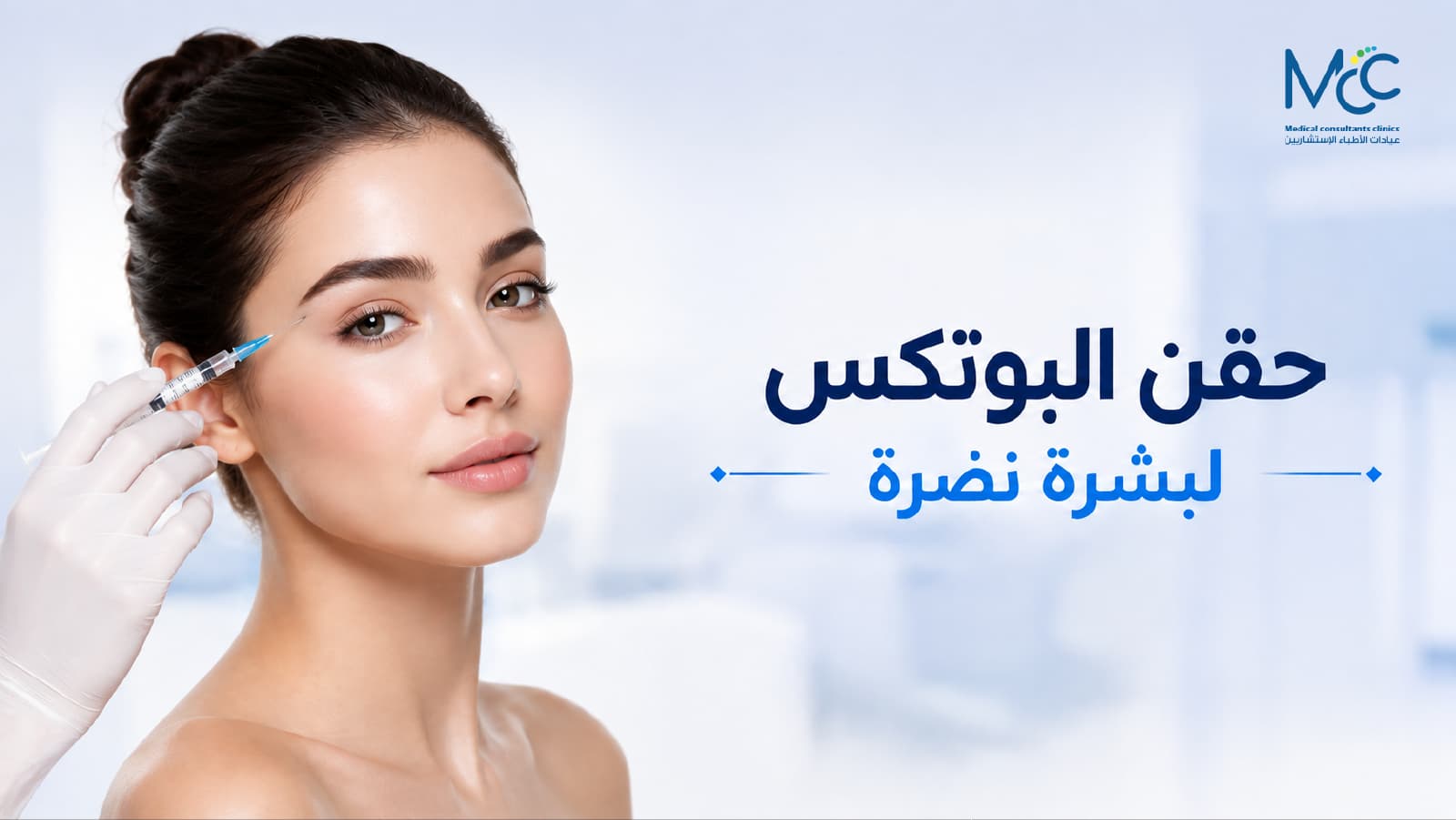
Botox is one of the most popular non-surgical cosmetic treatments worldwide. It is widely used to reduce the appearance of dynamic wrinkles and help achieve a smoother, more youthful appearance. Beyond cosmetic applications, Botox is also used to treat several medical conditions, including excessive sweating, chronic migraine, and certain muscle disorders.
The success of Botox injections depends on proper patient assessment, the expertise of the treating physician, and following the recommended aftercare instructions.
What Is Botox?
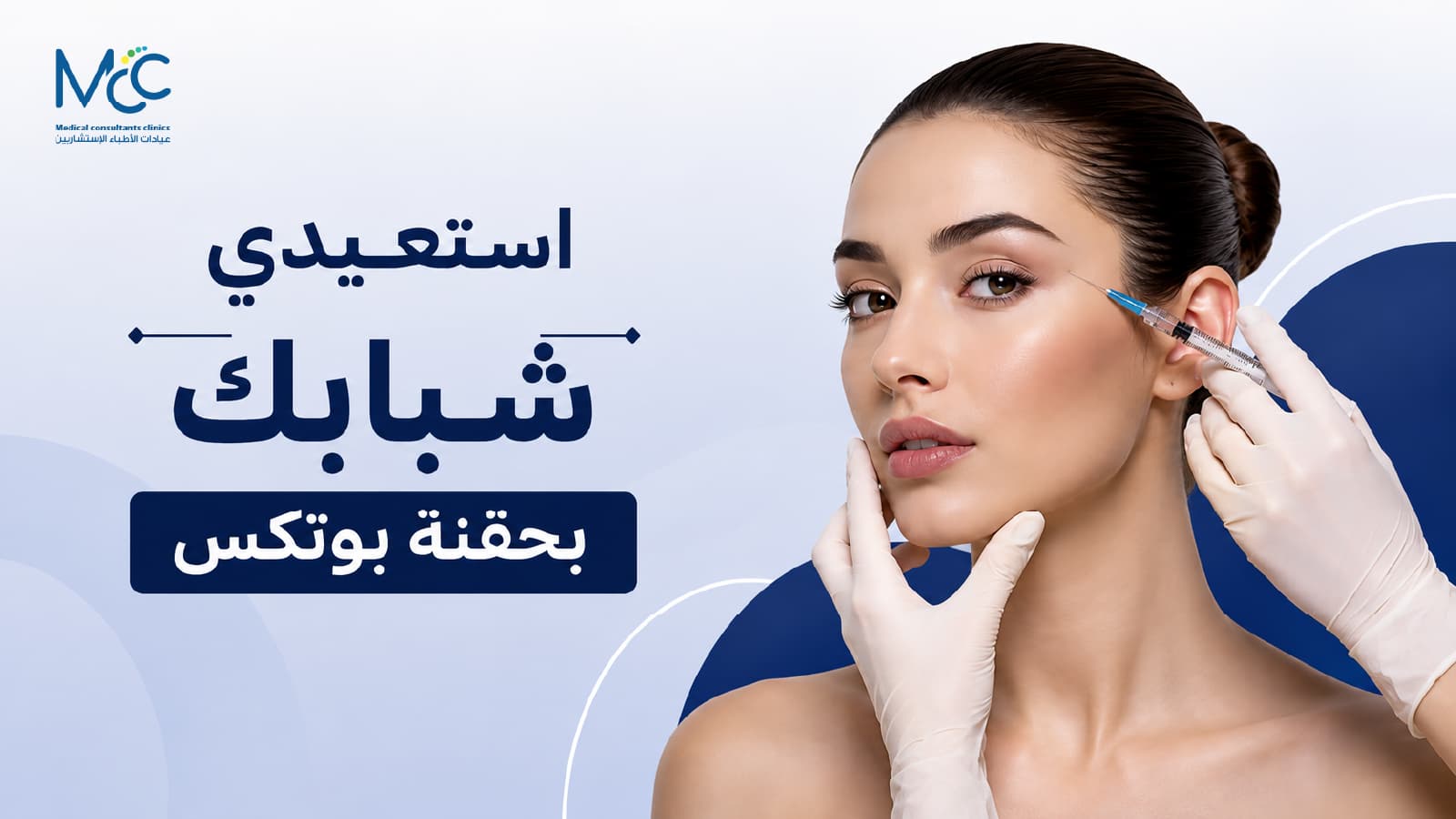
Botox is the brand name for Botulinum Toxin Type A, a purified protein that temporarily relaxes targeted muscles by blocking the nerve signals responsible for muscle contractions.
When administered by a qualified healthcare professional in carefully controlled doses, Botox injections can soften facial expression lines while maintaining a natural-looking appearance.
The U.S. Food and Drug Administration (FDA) has approved Botox for several cosmetic and therapeutic indications, making it one of the most extensively researched and widely used injectable treatments for both aesthetic and medical purposes.
Uses and Benefits of Botox
Botox offers a wide range of cosmetic and medical benefits, including:
Reducing forehead lines, frown lines, and crow's feet.
- Creating a smoother and more youthful facial appearance.
- Helping prevent expression lines from becoming deeper over time.
- Treating excessive sweating (hyperhidrosis) in the underarms, hands, and feet.
- Helping reduce the frequency of chronic migraine headaches in eligible patients.
- Managing certain facial and neck muscle disorders as recommended by a physician.
Most patients begin to notice improvements within 3 to 5 days, with full results becoming visible after 10 to 14 days.
Common Botox Injection Areas
Depending on the treatment goals, Botox injections can be administered in several areas of the face and body, including:
- Horizontal forehead lines
- Frown lines between the eyebrows (glabellar lines)
- Crow's feet around the eyes
- Brow lift
- Bunny lines on the nose
- Chin dimpling
- Neck bands in selected cases
- Underarms for excessive sweating
The injection sites and dosage are determined by the physician after evaluating each patient's facial anatomy and individual needs.
What Should You Avoid After Botox?
Following the proper aftercare instructions helps maximize the effectiveness of Botox and minimizes the risk of unwanted side effects.
Patients are generally advised to:
- Avoid lying down for at least 4 hours after treatment.
- Avoid rubbing or massaging the treated areas for 24 hours.
- Refrain from strenuous exercise for 24 hours.
- Avoid saunas, hot baths, and excessive sun exposure for 24 to 48 hours.
- Avoid applying makeup immediately after the procedure unless advised by your physician.
- Follow all post-treatment instructions provided by your healthcare professional.
Why should Botox be injected at a specialized medical center?
Botox is a medical procedure and should be performed using authentic products, the correct dosage, and by a qualified doctor. Incorrect injection points or dosage may lead to asymmetry, drooping, or other unwanted complications.
At MCC Clinic, Botox injections are performed after a proper medical assessment, with high standards of safety and care.
Frequently Asked Questions
How Long Does Botox Last in the Face?
The effects of Botox typically last between 3 and 4 months. However, the duration varies depending on the treated muscles, dosage, metabolism, and individual response to treatment.
How Do I Know If My Botox Treatment Was Successful?
A successful Botox treatment noticeably softens facial wrinkles while preserving natural facial expressions. The face should appear refreshed and relaxed without looking stiff or overtreated.
Are Botox Touch-Ups Necessary?
Not everyone requires a touch-up appointment. Your physician may recommend a review approximately two weeks after treatment if minor adjustments are needed to achieve optimal symmetry and results.
How Should I Care for My Face After Botox?
After receiving Botox injections, follow your physician's aftercare instructions carefully. Use sunscreen daily, avoid excessive pressure on the treated areas, postpone facial treatments such as chemical peels or heat-based procedures for several days, and keep your skin well hydrated to support overall skin health.
Is Botox Safe?
When administered by a qualified medical professional using approved products and recommended doses, Botox is considered a safe and effective treatment. Most side effects are mild and temporary, such as slight redness, swelling, or bruising at the injection site, and usually resolve within a few days.
This article is for general awareness and does not replace consulting a specialist. Please visit the clinic to assess your condition.
Have a health question?
Reach our medical team on WhatsApp.