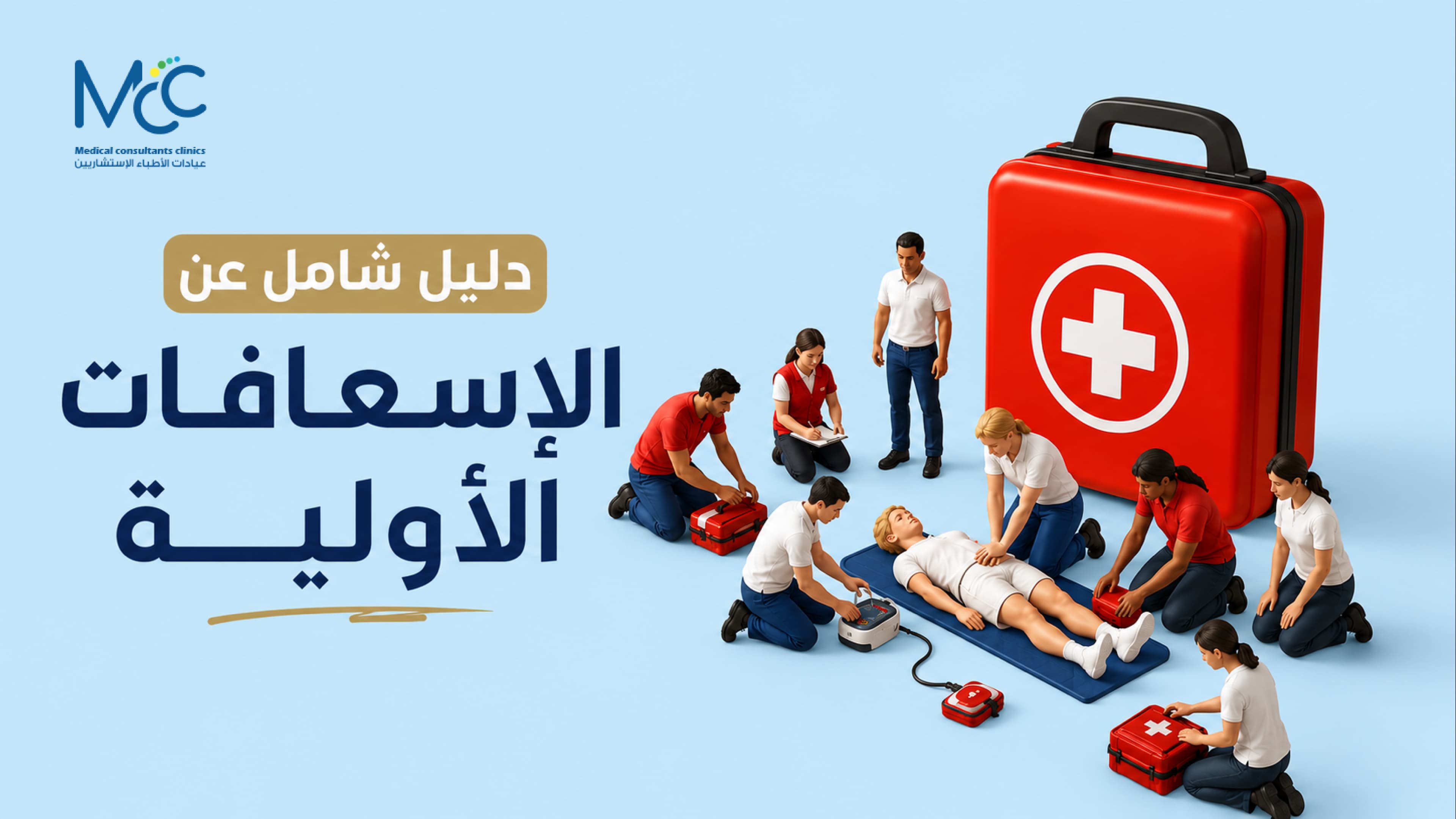
First aid is the immediate care provided to an injured or ill person before professional medical assistance becomes available. Acting quickly and correctly can save lives, prevent complications, and improve recovery outcomes.
According to the World Health Organization (WHO), unintentional injuries account for millions of deaths worldwide each year, many of which could be prevented or minimized through timely and appropriate first aid.
In this guide, you'll learn what first aid is, its primary objectives, the most common emergency situations that require immediate action, and the essential steps to take before emergency medical services arrive.
What Is First Aid?
First aid refers to the immediate assistance given to someone experiencing an injury or sudden illness before they receive professional medical care.
Its purpose is to stabilize the person's condition, reduce the risk of further injury, and provide essential support until emergency healthcare providers take over.
Most first aid procedures require prompt action rather than advanced medical equipment, making basic first aid knowledge an invaluable life-saving skill.
The Purpose of First Aid
The goals of first aid are commonly summarized by the internationally recognized Three Ps:
✅Preserve Life by protecting the casualty from life-threatening conditions.
✅Prevent Deterioration by stopping the condition from becoming worse.
✅Promote Recovery by providing appropriate care until medical treatment is available.
According to the American Heart Association (AHA), immediate intervention during the first few minutes of a medical emergency can significantly improve survival, particularly in cases involving severe bleeding or cardiac arrest.
Common Situations That Require First Aid
Many emergencies require immediate first aid, including:
✅Severe bleeding
✅Burns
✅Drowning
✅Head injuries
✅Seizures
Before assisting an injured person, always ensure the surrounding environment is safe for both the rescuer and the casualty.
First Aid for Bleeding
Severe bleeding can become life-threatening within minutes if not controlled promptly.
Recommended first aid measures include:
✅Apply firm, direct pressure over the wound using sterile gauze or a clean cloth.
✅Elevate the injured limb above heart level whenever possible.
✅Do not remove blood-soaked dressings; instead, place additional dressings over the existing ones.
✅Call emergency medical services immediately if the bleeding is heavy or cannot be controlled.
The American Red Cross identifies direct pressure as the most effective method for controlling most cases of external bleeding.
First Aid for Drowning
Drowning is a medical emergency that requires immediate action. The World Health Organization estimates that more than 300,000 people die from drowning every year worldwide.
If someone has been rescued from the water:
✅Remove the person from the water only if it is safe to do so.
✅Check for responsiveness and normal breathing.
✅Call emergency medical services immediately.
If the person is not breathing and you are trained, begin cardiopulmonary resuscitation (CPR).
Keep the individual warm while waiting for medical assistance.
First Aid for Burns
The appropriate treatment depends on the severity of the burn. For most minor burns, current medical guidelines recommend:
✅Cool the affected area under cool running water for 20 minutes.
✅Carefully remove rings, watches, or tight clothing if they are not stuck to the skin.
✅Cover the burn with a sterile, non-stick dressing.
✅Avoid using ice, toothpaste, oils, butter, or home remedies.
Deep, extensive, or electrical burns require immediate emergency medical care.
First Aid for Head Injuries
Although some head injuries appear minor, they may conceal serious internal trauma.
Seek immediate medical attention if the injured person experiences:
✅Loss of consciousness
✅Repeated vomiting
✅Bleeding or fluid leaking from the nose or ears
✅Seizures
✅Severe headache or worsening confusion
If a neck or spinal injury is suspected, avoid moving the patient unless absolutely necessary for safety.
First Aid for Seizures
If someone experiences a seizure:
✅Stay calm and remain with the person.
✅Remove nearby objects that could cause injury.
✅Place something soft beneath their head.
✅Do not try to restrain their movements.
✅Never place anything inside their mouth.
✅Once the seizure stops, gently roll them onto their side into the recovery position.
Call emergency medical services if the seizure lasts longer than five minutes, repeats without recovery, or occurs for the first time.
Need More Help or Advice?
At MCC Clinics in Bowsher we are happy to guide you on first aid and emergency preparedness. Contact us if you would like recommendations for good training courses or advice on keeping your home and workplace safer.
This article is for general awareness and does not replace consulting a specialist. Please visit the clinic to assess your condition.
Have a health question?
Reach our medical team on WhatsApp.