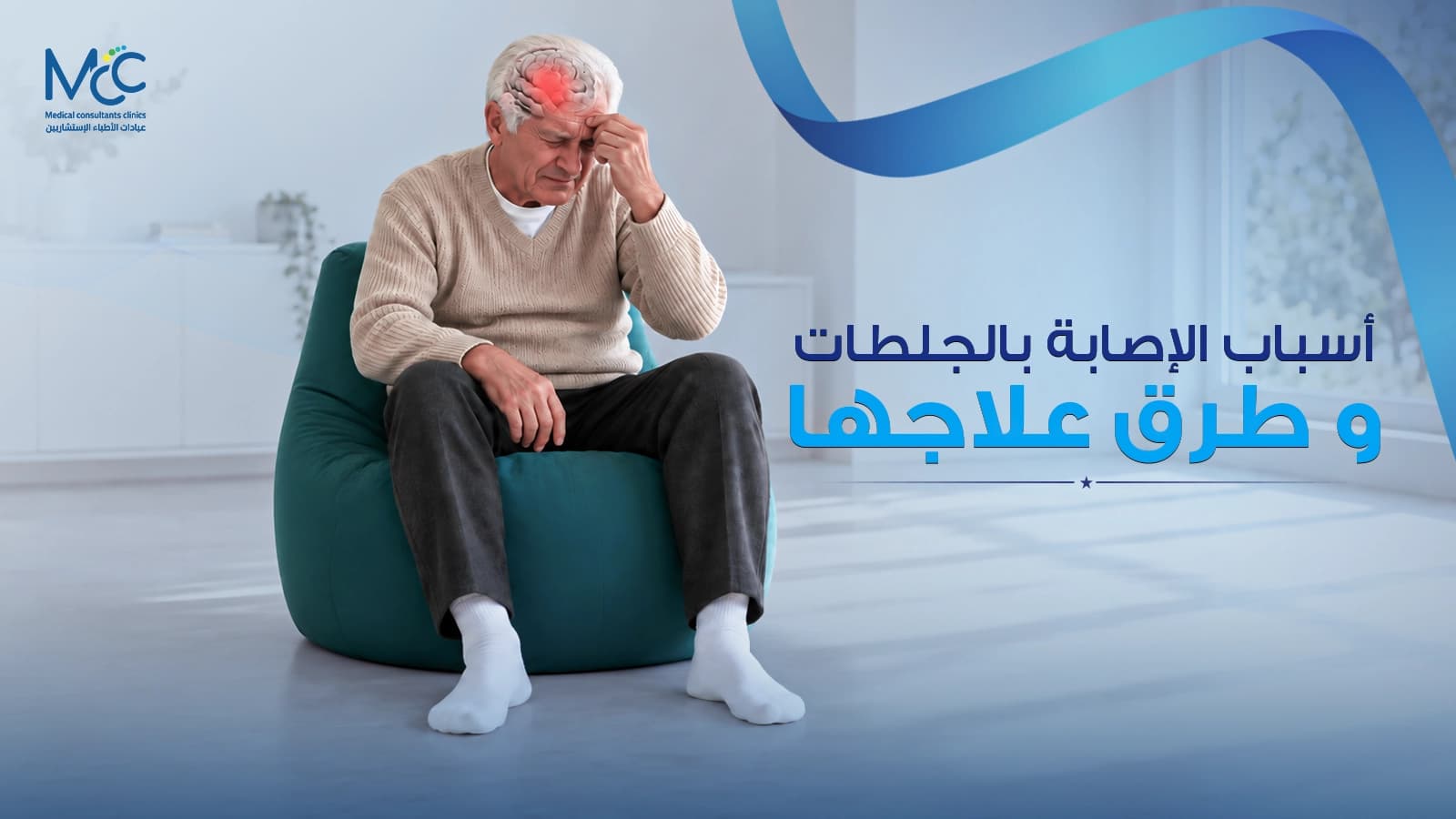
A stroke is a serious medical emergency that requires immediate medical attention. It occurs when blood flow to part of the brain is interrupted because of a blocked blood vessel or bleeding within the brain. According to the World Health Organization (WHO), there were approximately 11.9 million new stroke cases worldwide in 2021, with an estimated 93.8 million people living with stroke. Stroke was also the third leading cause of death and disability globally that year.
Types of Stroke and Their Causes
Stroke is mainly classified into two types:
Ischemic Stroke:
This occurs when a blood clot blocks a blood vessel supplying the brain.
It is the most common type of stroke.
Hemorrhagic Stroke:
This occurs when a blood vessel in the brain ruptures, causing bleeding into the surrounding brain tissue.
There is also a Transient Ischemic Attack (TIA), which causes temporary stroke-like symptoms because of a brief interruption of blood flow.
Even when the symptoms disappear quickly, a TIA requires urgent medical evaluation.
Major stroke risk factors include high blood pressure, smoking, high cholesterol, diabetes, obesity, physical inactivity, and an unhealthy diet.
WHO identifies hypertension as one of the leading contributors to stroke risk.
Stroke Treatment and Prevention
Stroke treatment depends on the type of stroke, the time symptoms began, imaging findings, and the patient’s overall condition.
For eligible patients with an acute ischemic stroke, doctors may use thrombolytic medications such as Alteplase or Tenecteplase to dissolve the blood clot.
In selected cases involving a large-vessel occlusion, Mechanical Thrombectomy may be performed to physically remove the clot.
Thrombolytic treatment has a defined time window, while mechanical thrombectomy may be considered for selected patients up to 24 hours after symptom onset based on advanced imaging and eligibility criteria.
Hemorrhagic stroke may require blood pressure management, intensive monitoring, and, in some cases, neurosurgical intervention depending on the location and severity of the bleeding.
Stroke prevention focuses on controlling blood pressure, diabetes, and cholesterol, avoiding smoking, maintaining regular physical activity, following a healthy diet, and maintaining a healthy weight.
If sudden facial drooping, arm weakness, speech difficulties, vision problems, dizziness, or loss of balance occurs, seek emergency medical care immediately. Every minute matters in stroke treatment.
Stroke Care at MCC Clinic
At MCC Clinic, we provide dedicated emergency care through our Emergency Department, with a focus on rapid assessment and response to patients requiring urgent medical attention.
Our medical team includes experienced physicians, specialists, and consultants who assess patients promptly, evaluate their symptoms, and initiate the appropriate medical pathway based on their clinical condition, diagnostic tests, and imaging findings.
When a stroke is suspected, rapid access to medical care is critical. The CDC emphasizes that stroke treatment begins when emergency medical services arrive and that rapid diagnosis and treatment can help reduce brain damage and long-term disability.
Frequently Asked Questions
How long does stroke treatment take?
There is no fixed treatment duration for stroke. Recovery depends on the type and severity of the stroke, the location and extent of brain injury, how quickly treatment begins, and the patient’s overall health.
Following acute treatment, some patients require stroke rehabilitation, which may include physical therapy, occupational therapy, and speech and swallowing therapy.
Rehabilitation can continue for weeks, months, or longer depending on the patient’s condition and recovery progress.
How should you respond to someone having a stroke?
If you suspect a stroke, call emergency medical services immediately and record the time the symptoms started or the last time the person was known to be well.
Do not give the patient food, drinks, or medications unless instructed by a medical professional, and do not wait to see whether the symptoms improve.
Even if the symptoms disappear, the episode may have been a Transient Ischemic Attack (TIA) and still requires urgent medical assessment.
This article is for general awareness and does not replace consulting a specialist. Please visit the clinic to assess your condition.
Have a health question?
Reach our medical team on WhatsApp.