A wart is a common benign skin growth caused by certain types of Human Papillomavirus (HPV). Warts can develop on different areas of the body, including the hands, fingers, feet, and around the nails. While many warts eventually disappear without treatment, medical care may be recommended when they become painful, spread, recur, or fail to respond to home treatment.
According to the American Academy of Dermatology (AAD), there are more than 200 types of HPV, although only some types cause common skin warts.
What Is a Wart?
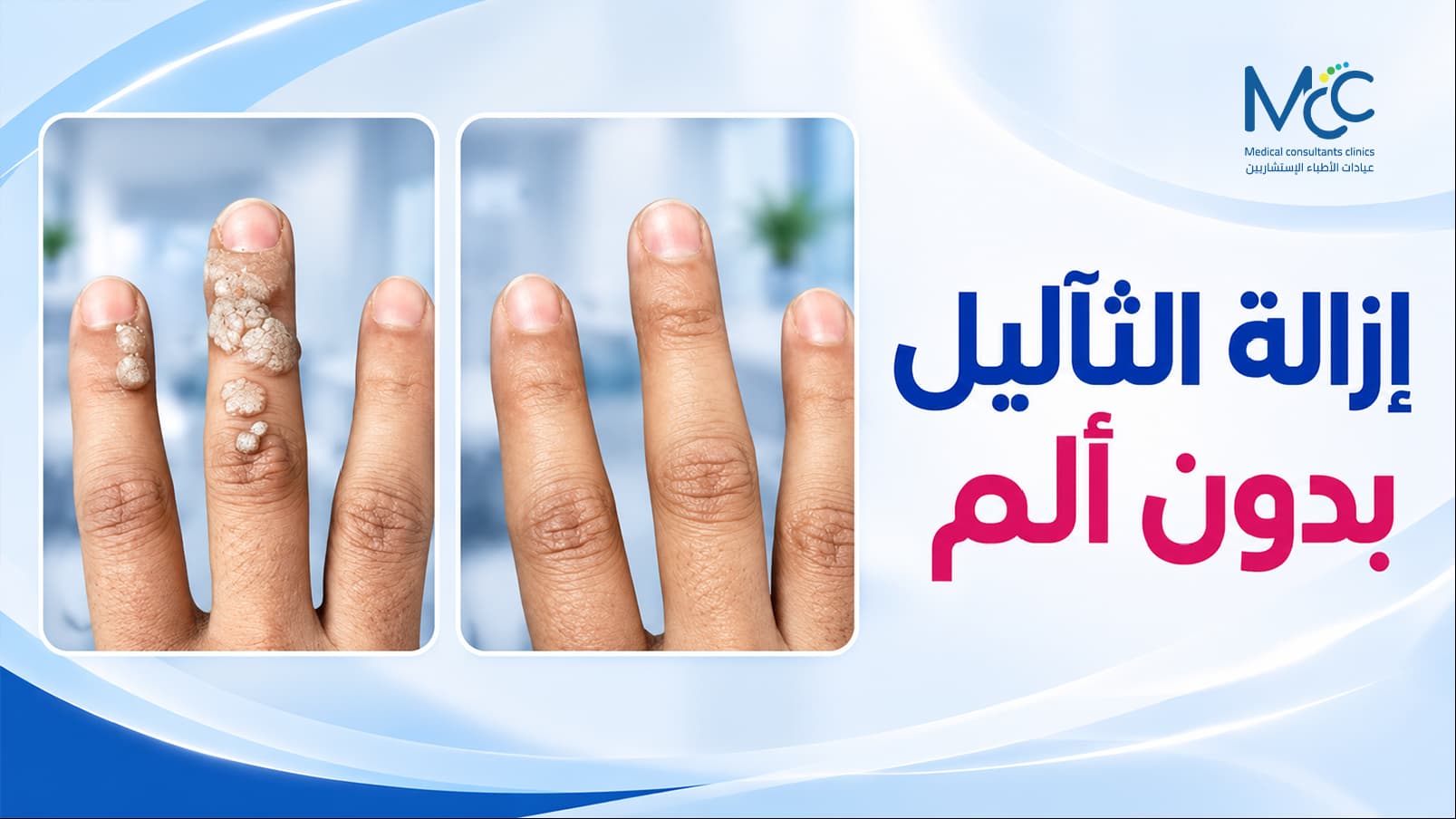
A wart is a benign skin growth caused by an infection with certain types of HPV in the outer layers of the skin. Its appearance can vary depending on the type of wart and where it develops.
HPV can spread through direct contact with a wart or through contaminated objects and surfaces. The virus can enter the skin through small cuts, scratches, or microscopic breaks that may not always be visible. A wart may take several months to become noticeable after infection.
Common Types of Warts
Warts can vary in appearance and location. Common types include:
- Common Warts: Usually develop on the hands, fingers, and around the nails and typically have a rough surface.
- Plantar Warts: Develop on the soles of the feet, particularly on pressure-bearing areas such as the heels and balls of the feet. They may cause pain when walking or standing.
- Flat Warts: Smaller and smoother than common warts and may appear in larger numbers, particularly on the face, hands, or legs.
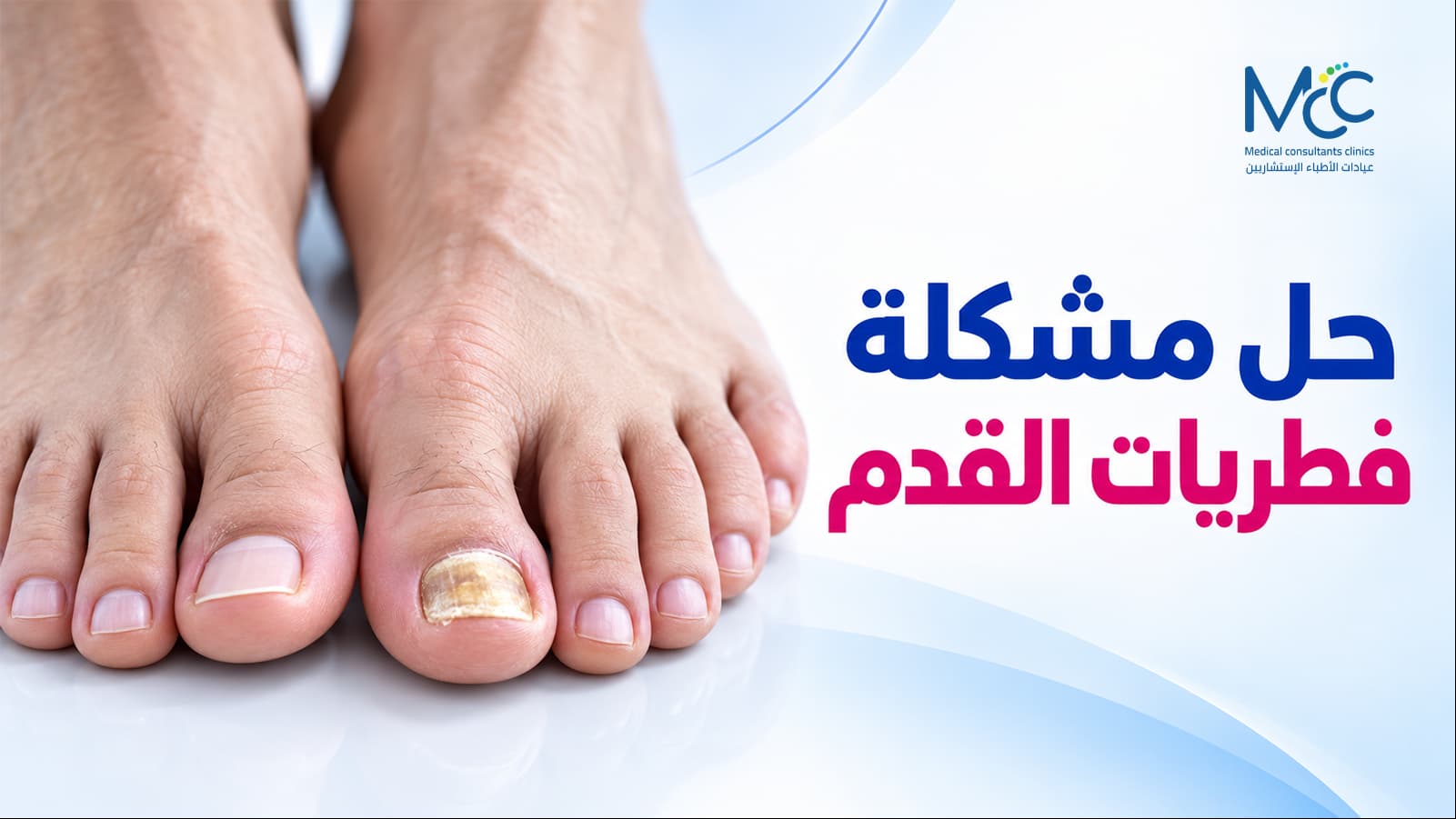
- Periungual Warts: Develop around or underneath the fingernails or toenails and may affect the surrounding skin.
Causes of Warts
Warts are primarily caused by infection with certain types of HPV. The virus may spread through direct skin-to-skin contact or through shared personal items such as towels.
HPV can enter the skin through small cuts, scratches, or other breaks in the skin. Warts may also spread from one area of the body to another through repeated touching or picking. However, not everyone exposed to HPV develops warts, as the immune system responds differently to the virus from person to person.
Best Ways to Treat Warts
The appropriate wart treatment depends on the type, location, size, number, and duration of the warts. Some warts disappear naturally, but treatment may be considered when they cause pain or discomfort, spread to other areas, or repeatedly return.
Common medical treatment options include Salicylic Acid, which gradually removes layers of the wart, and Cryotherapy, which uses liquid nitrogen to freeze the wart. Cryotherapy may require repeated sessions, sometimes every two to three weeks, depending on the response to treatment.
For warts that do not respond to standard treatments, a dermatologist may consider other options, including laser therapy, immunotherapy, or minor procedures to remove the wart, depending on the individual case.
Self-removal or cutting of a wart is not recommended, particularly when the wart is located on the face or foot, or when the patient has diabetes or a weakened immune system.
Why Choose MCC for Wart Treatment?
Effective wart treatment begins with an accurate diagnosis, as some skin growths can resemble warts but may actually be caused by other dermatological conditions.
At MCC Clinic, patients can receive a professional assessment of the wart, including its location, size, appearance, and extent, followed by an appropriate treatment plan based on the individual condition.
Medical evaluation is recommended if a wart bleeds, becomes painful, continues to grow or spread, returns after treatment, or if you are uncertain whether a skin growth is actually a wart.
This article is for general awareness and does not replace consulting a specialist. Please visit the clinic to assess your condition.
Have a health question?
Reach our medical team on WhatsApp.