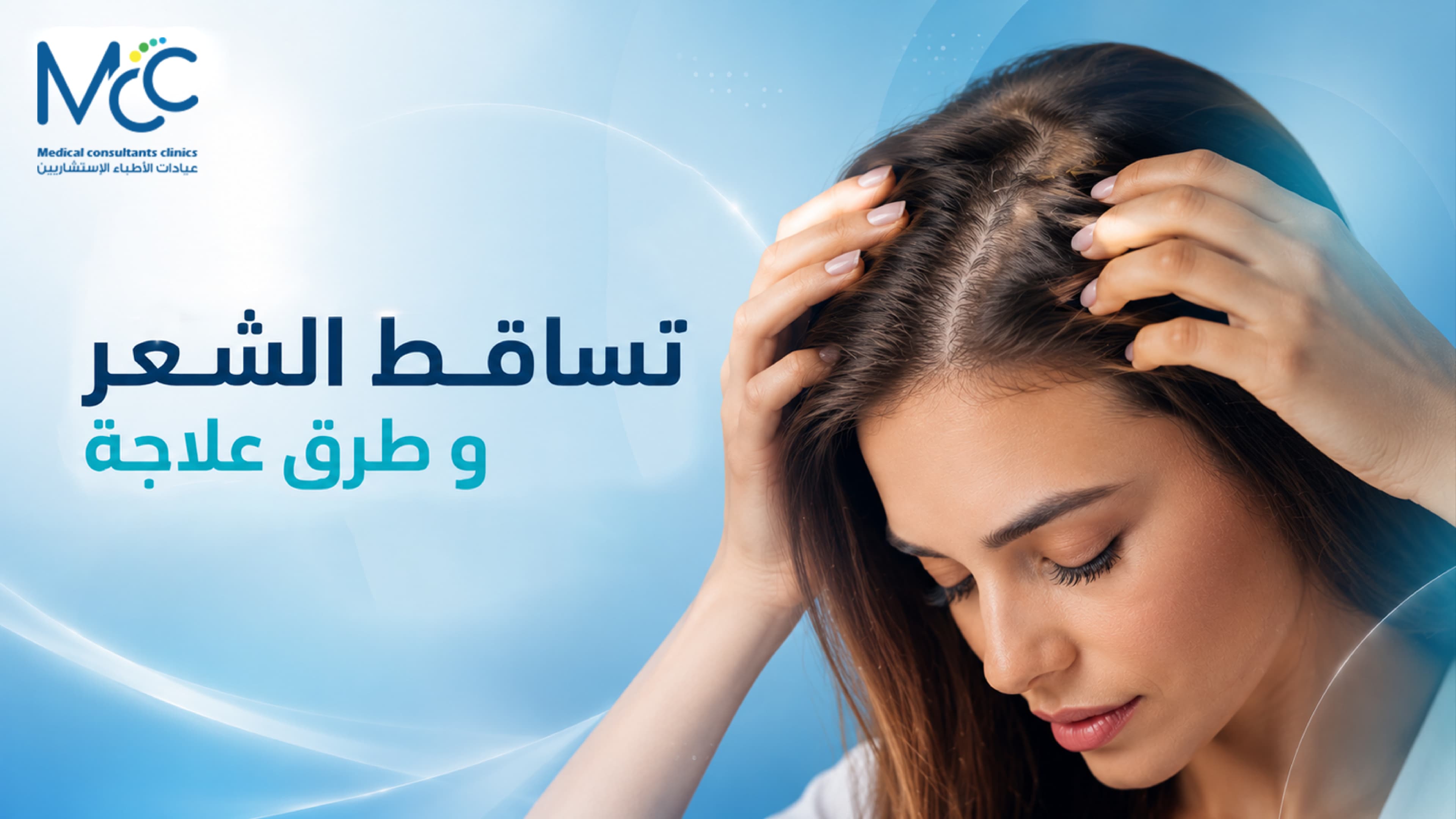
Hair loss treatment is one of the most common concerns among both men and women.
While shedding a small amount of hair each day is a normal part of the hair growth cycle, excessive hair loss may indicate an underlying medical condition that requires professional evaluation.
According to the American Academy of Dermatology (AAD), losing 50 to 100 hairs per day is considered normal.
However, persistent shedding, thinning hair, or the appearance of bald patches should be assessed by a dermatologist to identify the underlying cause and determine the most appropriate hair loss treatment.
The Difference Between Normal and Excessive Hair Loss
Hair naturally goes through three phases: growth (anagen), transition (catagen), and resting/shedding (telogen).
As part of this cycle, some daily hair shedding is expected.
Excessive hair loss, however, is characterized by noticeable thinning, increased shedding, widening of the hair part, or visible bald patches.
Hair loss lasting longer than three months, or accompanied by scalp inflammation or other symptoms, should be medically evaluated to determine the appropriate hair loss treatment.
Causes of Hair Loss
Several factors can contribute to hair loss, including:
- Genetic predisposition (androgenetic alopecia)
- Iron, zinc, or vitamin D deficiency
- Thyroid disorders
- Hormonal changes during pregnancy, after childbirth, or menopause
- Physical or emotional stress
- Certain medications, including chemotherapy drugs and blood thinners
- Autoimmune conditions such as alopecia areata
- Rapid weight loss or restrictive diets
Identifying the underlying cause is the first step toward selecting the most effective hair loss treatment.
Types of Hair Loss
There are several different forms of hair loss, each requiring a different treatment approach.
Androgenetic Alopecia
The most common type of hair loss affecting both men and women. It develops gradually due to genetic and hormonal factors.
Telogen Effluvium
A temporary form of hair shedding that often occurs after severe illness, surgery, significant stress, childbirth, or rapid weight loss.
Alopecia Areata
An autoimmune disorder in which the immune system attacks hair follicles, causing sudden, patchy hair loss.
Scarring Alopecia
A less common condition resulting from inflammation that permanently damages hair follicles. Early diagnosis is essential to prevent irreversible hair loss.
Hair Loss Treatment Options
The best hair loss treatment depends on the underlying cause and the patient's overall health.
Treatment options may include:
- Correcting vitamin and mineral deficiencies
- Topical Minoxidil, when recommended by a physician
- Prescription medications for androgenetic alopecia
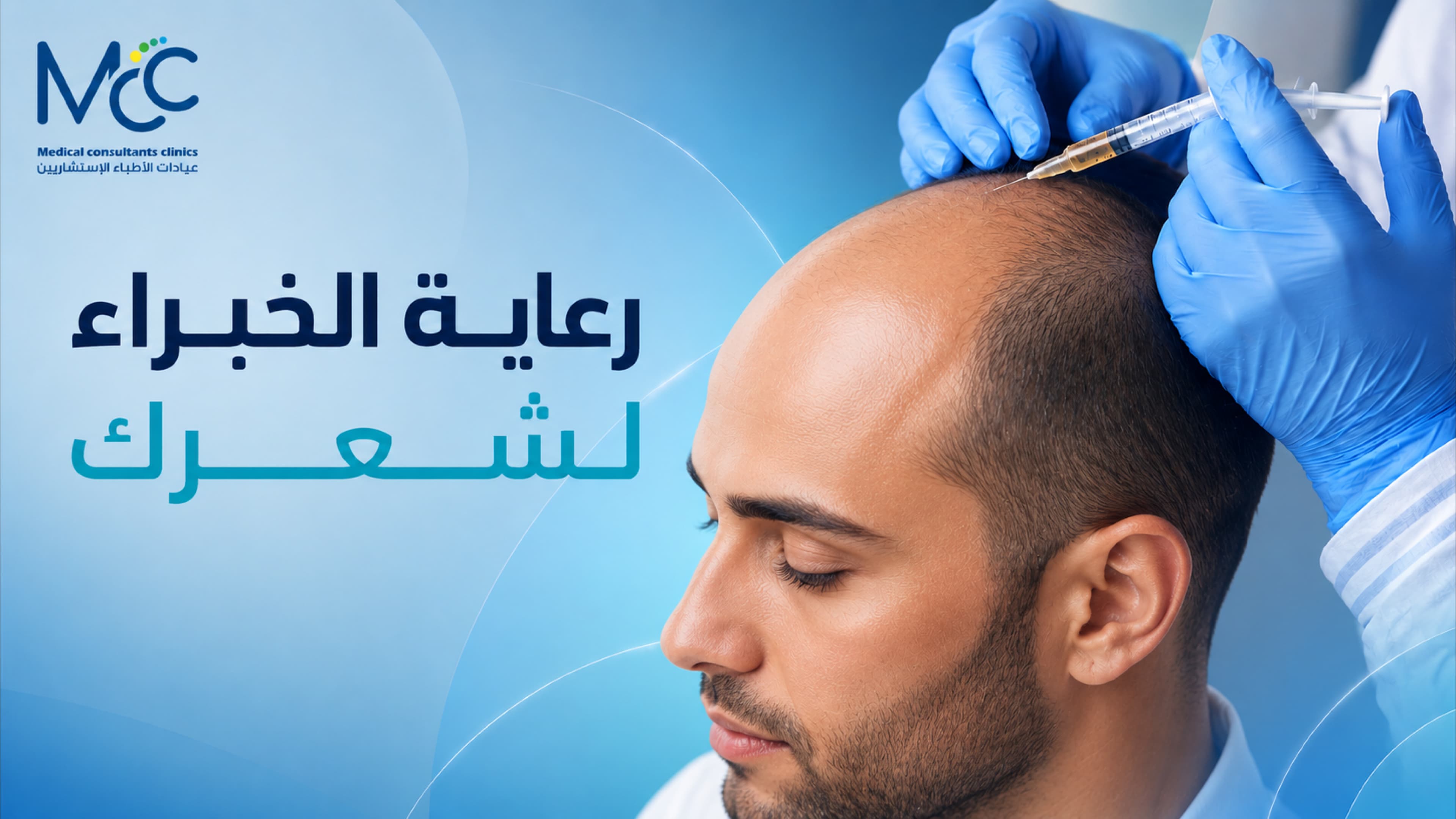
- Platelet-Rich Plasma (PRP) therapy to stimulate hair growth in suitable candidates
- Treating hormonal or autoimmune disorders contributing to hair loss
- Hair transplantation for eligible patients with advanced hair loss
Because treatment varies from one patient to another, self-medication is not recommended.
A medical assessment is essential to determine the most appropriate treatment plan.
How to Help Prevent Hair Loss
Although not all types of hair loss can be prevented, healthy habits can reduce the risk and support stronger hair growth.
These include:
- Eating a balanced diet rich in protein, iron, and essential vitamins
- Avoiding tight hairstyles that place excessive tension on the hair
- Limiting excessive heat styling and harsh chemical treatments
- Managing stress effectively
- Treating chronic medical conditions appropriately
- Seeking medical advice if abnormal hair shedding develops
Frequently Asked Questions
When Is Hair Loss a Serious Concern?
Hair loss should be evaluated by a healthcare professional if it occurs suddenly, becomes excessive, results in visible bald patches, affects the eyebrows or eyelashes, or is accompanied by symptoms such as unexplained weight loss, fatigue, or hormonal changes.
Early diagnosis often leads to more effective hair loss treatment and improved outcomes.
Can High Cholesterol Cause Hair Loss?
High cholesterol is not considered a direct cause of hair loss. However, some studies suggest that abnormal lipid levels may negatively affect blood circulation to the hair follicles, potentially impacting hair health.
In addition, hair loss has occasionally been reported as a rare side effect of certain cholesterol-lowering medications (statins). Patients should never stop prescribed medication without consulting their healthcare provider.
Why Choose MCC Clinic?
At MCC Clinic in Muscat, Oman, we provide comprehensive evaluations to identify the underlying causes of hair loss and develop personalized treatment plans for every patient.
Our experienced dermatology specialists utilize advanced diagnostic techniques and evidence-based therapies, including medical treatments, PRP therapy, and customized hair care programs, to help restore healthy hair growth while prioritizing patient safety and long-term results.
This article is for general awareness and does not replace consulting a specialist. Please visit the clinic to assess your condition.
Have a health question?
Reach our medical team on WhatsApp.