
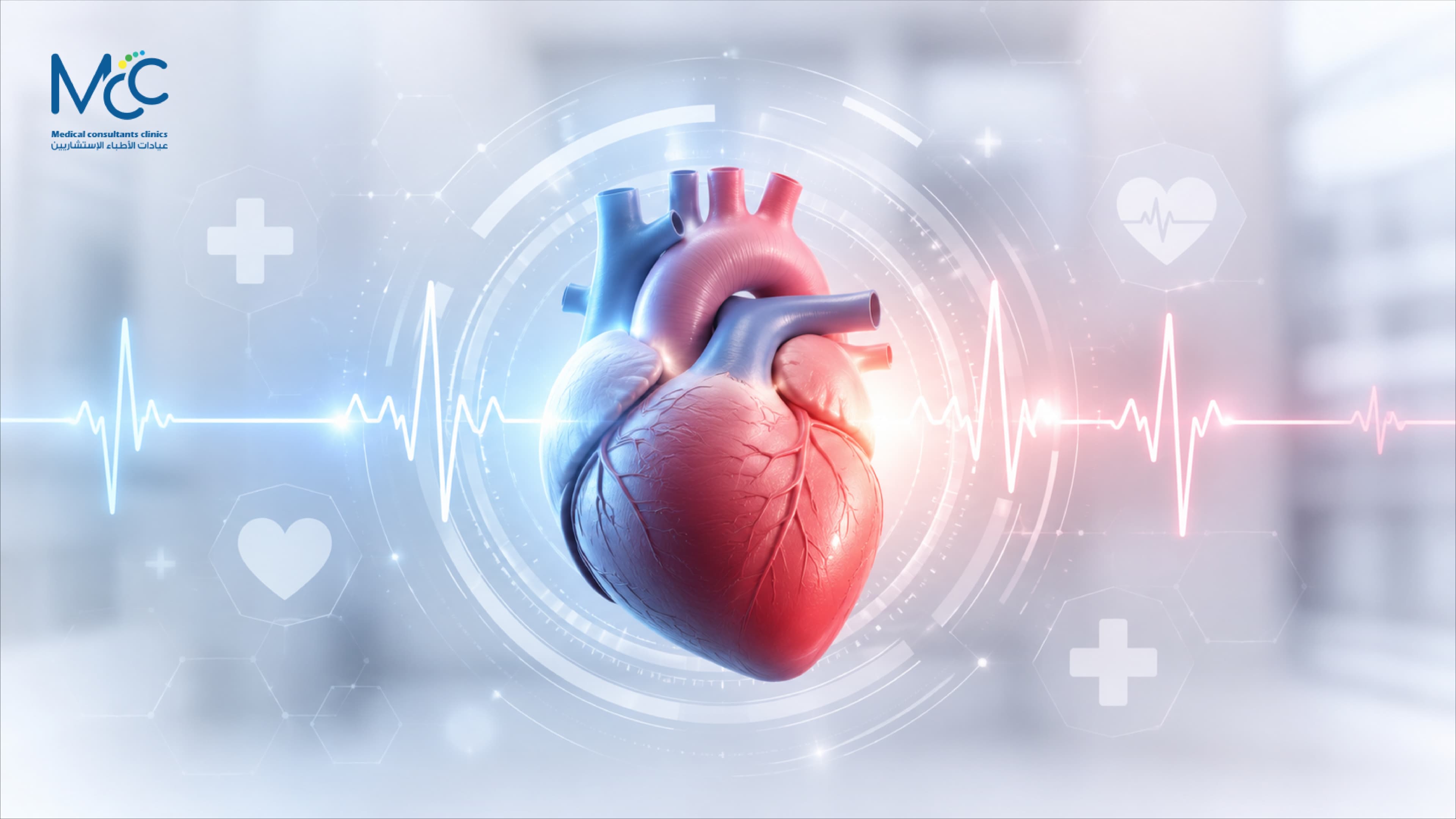
Heart diseases are among the leading causes of illness and death worldwide.
They encompass a wide range of conditions that affect the heart muscle, heart valves, coronary arteries, and the heart's electrical system.
Early diagnosis, timely treatment, and adopting a heart-healthy lifestyle play a crucial role in reducing the risk of complications and improving long-term cardiovascular health.
Introduction to Heart Diseases
The term heart diseases refers to a group of conditions that affect the structure or function of the heart and its associated blood vessels.
These conditions may develop due to genetic factors, aging, or underlying medical conditions such as diabetes, hypertension, and high cholesterol.
Lifestyle habits—including smoking, obesity, physical inactivity, and an unhealthy diet—also significantly increase the risk.
Although symptoms vary depending on the specific condition, common warning signs include chest pain, shortness of breath, palpitations, fatigue, and reduced exercise tolerance.
Anyone experiencing these symptoms should seek prompt medical evaluation.
Common Types of Heart Diseases
There are several forms of heart diseases, ranging from manageable chronic conditions to medical emergencies requiring immediate treatment.
Some of the most common include:
Myocardial infarction (heart attack)
Cardiac arrhythmias
Cardiomyopathy
Coronary artery disease
Heart valve disease
Congenital heart disease
Each condition requires a personalized treatment plan based on an accurate diagnosis and the patient's overall health.
Myocardial Infarction
A myocardial infarction, commonly known as a heart attack, occurs when blood flow through one of the coronary arteries becomes blocked, depriving part of the heart muscle of oxygen.
Without immediate treatment, permanent damage to the heart muscle can occur.
Typical symptoms include severe chest pain that may radiate to the left arm, shoulder, neck, jaw, or back, accompanied by shortness of breath, sweating, nausea, or dizziness.
Rapid emergency medical care is essential to improve survival and minimize heart damage.
Cardiac Arrhythmias
Cardiac arrhythmias are disorders that cause the heart to beat too fast, too slowly, or irregularly.
While some people experience noticeable palpitations, dizziness, fainting, or fatigue, others may have no symptoms at all.
Treatment depends on the type and severity of the arrhythmia and may include medications, catheter ablation, or implantable devices such as a pacemaker.
Cardiomyopathy
Cardiomyopathy is a disease of the heart muscle that affects its ability to pump blood efficiently. It may be inherited or develop as a result of chronic illnesses, infections, or other underlying conditions.
Treatment focuses on improving heart function, relieving symptoms, and reducing the risk of complications such as heart failure and abnormal heart rhythms.
Coronary Artery Disease
Coronary artery disease is one of the most common forms of heart diseases. It develops when fatty deposits and cholesterol accumulate inside the coronary arteries, restricting blood flow to the heart muscle.
Patients may experience chest discomfort, shortness of breath, or reduced physical endurance. If left untreated, coronary artery disease can lead to a heart attack or other serious cardiovascular complications.
Heart Valve Disease
Heart valve disease occurs when one or more of the heart valves fail to function properly due to narrowing (stenosis) or leakage (regurgitation).
This disrupts normal blood flow through the heart and may place additional strain on the heart muscle.
Depending on the severity of the condition, treatment may involve regular monitoring, medication, valve repair, or valve replacement surgery.
Congenital Heart Disease
Congenital heart disease refers to structural abnormalities of the heart that are present at birth.
Some congenital defects are mild and require little or no treatment, while others may need early surgical intervention or lifelong cardiac care.
Early diagnosis and ongoing follow-up significantly improve long-term outcomes and quality of life.
How Does Diabetes Affect Heart Health?
Diabetes is one of the leading risk factors for cardiovascular disease.
Persistently elevated blood glucose levels can damage blood vessels and the nerves that regulate heart function over time.
People living with diabetes are at a significantly higher risk of developing coronary artery disease and experiencing heart attacks, particularly if they also have high blood pressure, elevated cholesterol levels, or excess body weight.
Maintaining healthy blood sugar levels through proper diabetes management, adhering to prescribed treatment, following a balanced diet, and attending regular medical checkups can significantly reduce the risk of cardiovascular complications.
How to Prevent Heart Diseases
Although not all heart diseases can be prevented, adopting healthy lifestyle habits can significantly lower the risk.
Key preventive measures include:
✅Following a heart-healthy diet low in saturated fats, trans fats, and excess sodium.
✅Engaging in regular physical activity.
✅Maintaining a healthy body weight.
✅Avoiding tobacco products and smoking.
✅Managing blood pressure, blood sugar, and cholesterol levels.
✅Scheduling regular health checkups, especially for individuals with cardiovascular risk factors or a family history of heart disease.
Why Choose MCC Clinic?
At MCC Clinic in Muscat, we are committed to delivering exceptional healthcare through experienced specialists, advanced medical technology, and patient-centered care.
Our multidisciplinary team provides accurate diagnosis, personalized treatment plans, and continuous follow-up to ensure the highest standards of safety, quality, and clinical excellence for every patient.
This article is for general awareness and does not replace consulting a specialist. Please visit the clinic to assess your condition.
Have a health question?
Reach our medical team on WhatsApp.