
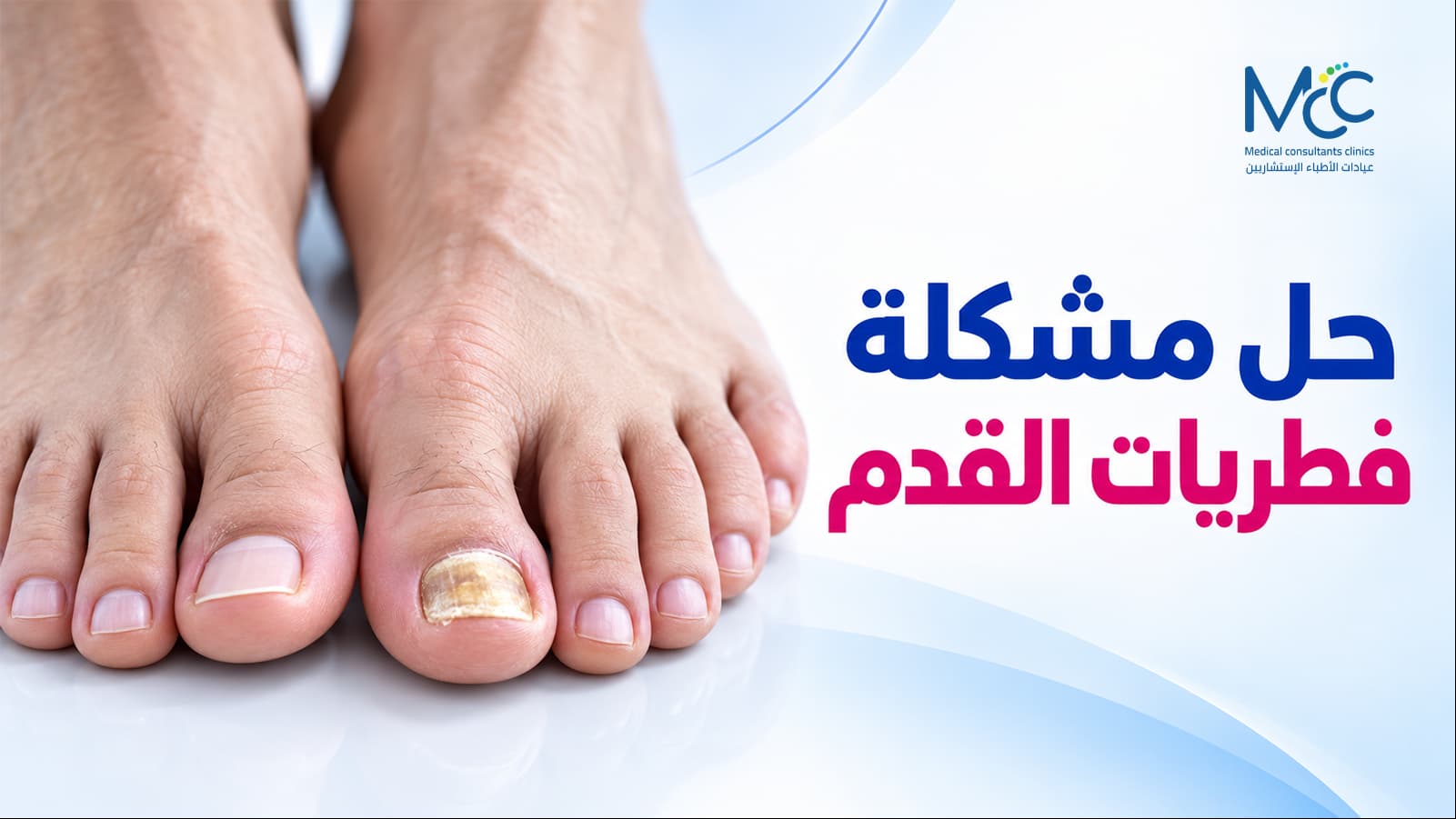
Athlete’s foot, medically known as Tinea Pedis, is a common fungal skin infection affecting the feet. It typically develops in warm, moist environments, which makes sweaty feet and prolonged use of enclosed footwear important risk factors.
The infection can also spread through contaminated towels, shoes, floors, and other surfaces, particularly in damp public areas such as swimming pools, showers, and locker rooms.
What Is Athlete’s Foot?
Athlete’s foot is a fungal infection affecting the skin of the foot. It commonly begins between the toes but can also spread to the soles and sides of the feet.
The fungi responsible are usually Dermatophytes, a group of fungi that can also cause other infections such as Ringworm and Jock Itch.
Because Tinea Pedis can spread easily, prompt treatment and good foot hygiene are important to prevent the infection from spreading to other areas of the body or to other people.
Common Symptoms of Athlete’s Foot
Symptoms can vary depending on the type and severity of the infection. Common signs include:
- Itching, particularly between the toes.
- Peeling or cracked skin.
- Dry, scaly skin on the soles and sides of the feet.
- Redness or swelling.
- Burning or stinging sensations.
- Blisters in some cases.
- Cracked skin between the toes, which may become painful as the infection progresses.
Athlete’s foot can sometimes resemble dry skin or dermatitis. A healthcare professional may examine the affected skin and, when necessary, take a small skin sample for laboratory testing to confirm the diagnosis and rule out other skin conditions.
Causes of Athlete’s Foot
Fungi thrive in warm and moist environments. Common risk factors include:
- Excessive foot sweating.
- Wearing enclosed footwear for long periods.
- Failing to dry the feet properly, especially between the toes.
- Walking barefoot in public swimming pools, showers, and locker rooms.
- Sharing shoes or towels with an infected person.
- Wearing footwear or socks that do not allow adequate ventilation.
Treatment and Prevention of Athlete’s Foot
Treatment depends on the severity and location of the infection. Mild cases can often be treated with topical antifungal medications such as Terbinafine, Clotrimazole, or Miconazole. According to the CDC, topical antifungal treatments for skin ringworm infections such as athlete’s foot are generally used for 2 to 4 weeks, depending on the specific product and treatment instructions.
For more persistent or severe infections, a doctor may prescribe a stronger topical antifungal or an oral antifungal medication, such as Terbinafine or Itraconazole, depending on the clinical assessment.
To reduce the risk of infection and recurrence, keep your feet clean and thoroughly dry, change your socks regularly, choose breathable footwear, avoid sharing shoes and towels, and wear protective footwear in damp public areas.
Specialized Athlete’s Foot Care at MCC Clinic
Effective treatment begins with an accurate diagnosis, particularly because several dermatological conditions can resemble Tinea Pedis.
At MCC Clinic, patients can receive a professional skin assessment to identify the likely cause of their symptoms and develop an appropriate treatment plan based on the severity and extent of the infection.
Medical evaluation is recommended if symptoms do not improve after appropriate antifungal treatment or if signs of a secondary infection develop, such as significant swelling, pus, or fever. People with diabetes should also seek medical advice if they suspect they have athlete’s foot, as fungal infections may lead to complications in some patients.
This article is for general awareness and does not replace consulting a specialist. Please visit the clinic to assess your condition.
Have a health question?
Reach our medical team on WhatsApp.