
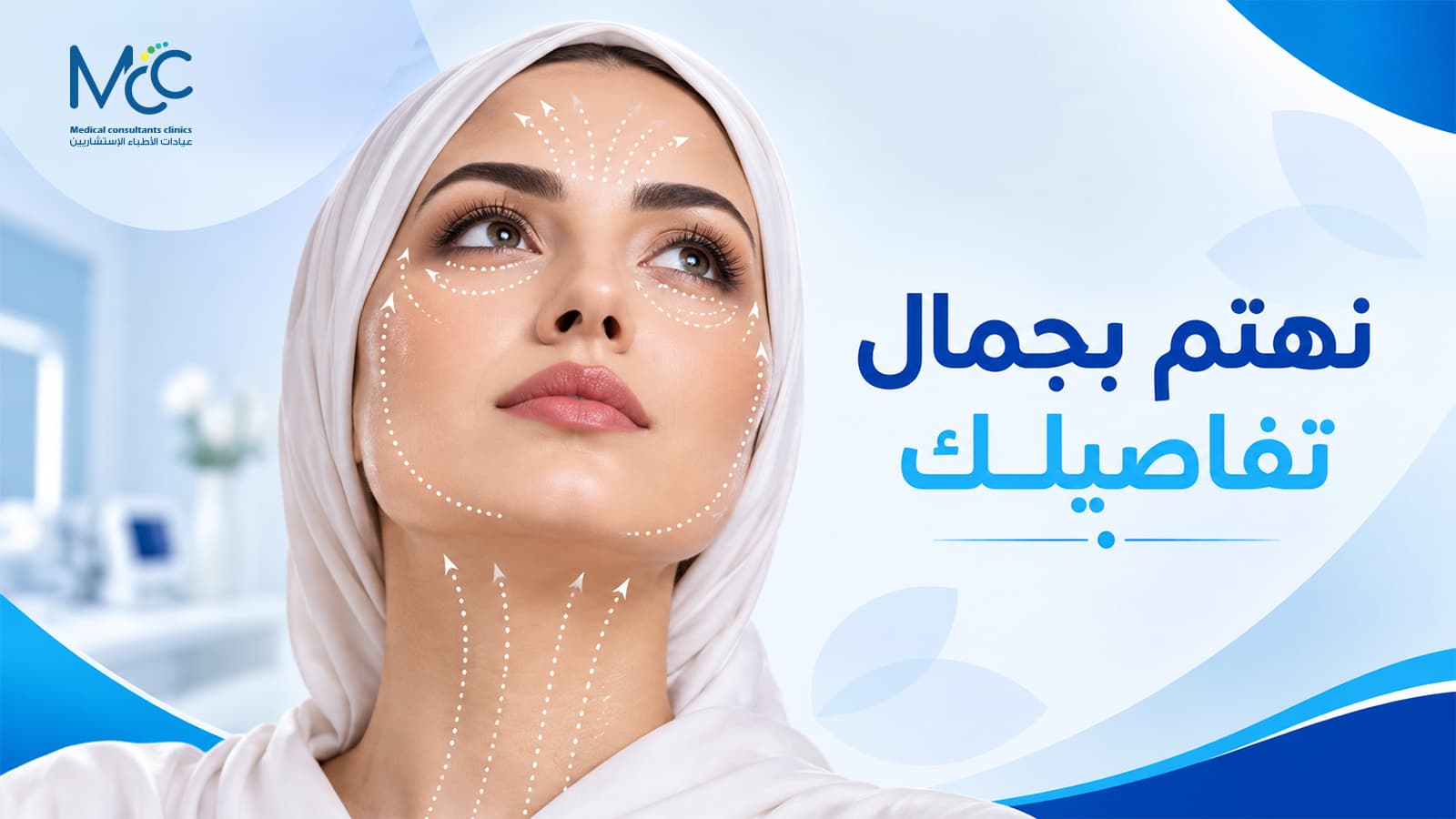
Cosmetic procedures include a wide range of treatments designed to enhance the appearance of specific areas of the face or body. These procedures may be surgical or non-surgical, and the most appropriate option depends on the patient's medical condition, treatment area, aesthetic goals, and professional medical assessment.
According to the American Society of Plastic Surgeons (ASPS), nearly 1.6 million cosmetic surgical procedures and more than 28.5 million minimally invasive cosmetic procedures were performed in the United States in 2024.
Types of Cosmetic Procedures
Cosmetic procedures can generally be divided into two main categories:
Surgical Cosmetic Procedures
These procedures involve surgery to alter the shape, volume, or appearance of a specific area of the body. Depending on the procedure, they may require anaesthesia and a recovery period.
Examples include blepharoplasty, liposuction, facelift, cheek lift, and otoplasty.
As with any surgery, cosmetic surgery carries potential risks, including infection, bleeding, scarring, blood clots, and complications related to anaesthesia. The level of risk varies according to the procedure and the patient's health.
Non-Surgical Cosmetic Procedures
Non-surgical treatments do not involve conventional surgery and generally require less downtime.
Common examples include Botox injections, dermal fillers, and chemical peels.
In 2024, ASPS recorded approximately 9.88 million neuromodulator injections and more than 5.33 million hyaluronic acid filler procedures in the United States.
Popular Cosmetic Procedures
Eyelid Surgery
Known medically as Blepharoplasty, eyelid surgery is performed to improve the appearance of the upper or lower eyelids by removing or repositioning excess skin and fat when clinically appropriate.
ASPS recorded 120,755 eyelid surgery procedures in the United States in 2024.
Botox
Botulinum Toxin is a non-surgical injectable treatment that temporarily reduces the activity of targeted muscles. It can help soften dynamic facial lines, including forehead lines, frown lines, and crow's feet.
Botox should be administered by a qualified medical professional using an authentic product and an appropriate dose. Incorrect injection technique can lead to temporary complications such as eyelid or eyebrow drooping and facial asymmetry.
Dermal Fillers
Dermal fillers are injectable substances used to restore volume or enhance selected facial features. They may be used in areas such as the lips, cheeks, and facial lines.
Hyaluronic acid (HA) is one of the commonly used filler materials. Temporary swelling and bruising are common after treatment, while accidental injection into a blood vessel, although rare, can cause serious complications. For this reason, fillers should only be administered by a qualified and experienced healthcare professional.
Liposuction
Liposuction is a surgical procedure used to remove localised fat deposits and improve body contouring. It is not a treatment for obesity and should not be considered a substitute for healthy weight management.
Liposuction was the most commonly performed cosmetic surgical procedure in the United States in 2024, with 349,728 procedures reported by ASPS.
Cosmetic Dentistry
Cosmetic dentistry includes procedures designed to improve the appearance of the teeth and smile, such as professional teeth whitening, cosmetic dental fillings, veneers, and other treatments selected according to the patient's dental and gum health.
Cheek Lift
A cheek lift is designed to improve sagging in the mid-face and cheek area by lifting and repositioning soft tissues. The appropriate technique depends on the degree of tissue laxity, facial anatomy, and the patient's aesthetic goals.
Facelift
A facelift (rhytidectomy) is a surgical procedure designed to address facial and neck skin and tissue laxity, helping improve facial contours and reduce visible signs of ageing.
According to ASPS, 79,106 facelift procedures were performed in the United States in 2024.
Chemical Peel
A chemical peel uses a carefully selected chemical solution to remove specific layers of the skin and promote skin renewal. Depending on the type of peel, it may help improve certain pigmentation concerns, fine lines, acne, uneven skin tone, and sun-damaged skin.
The American Academy of Dermatology (AAD) recommends having chemical peels performed under the supervision of a dermatologist or appropriately trained professional, as the solution and concentration must be selected according to the patient's skin type and treatment goals.
Cosmetic Ear Surgery
Otoplasty, or cosmetic ear surgery, is performed to improve the shape, position, or proportion of the ears. It may be performed in children or adults depending on the individual's anatomy, age, and treatment goals.
Tips Before and After Cosmetic Procedures
Before undergoing any cosmetic procedure, patients should have a comprehensive medical assessment and discuss realistic expectations, potential benefits, risks, and recovery requirements with their healthcare provider.
It is important to disclose any chronic medical conditions, medications, and supplements.
Smoking cessation is also strongly recommended, as nicotine can increase complications and delay wound healing. Mayo Clinic notes that some cosmetic procedures may require avoiding nicotine products for 4–6 weeks before surgery and four weeks afterward.
After treatment, follow your healthcare provider's instructions regarding medications, wound or skin care, physical activity, and follow-up appointments.
It is also important not to judge the final result too early, as swelling and bruising can take time to resolve depending on the procedure.
This article is for general awareness and does not replace consulting a specialist. Please visit the clinic to assess your condition.
Have a health question?
Reach our medical team on WhatsApp.