
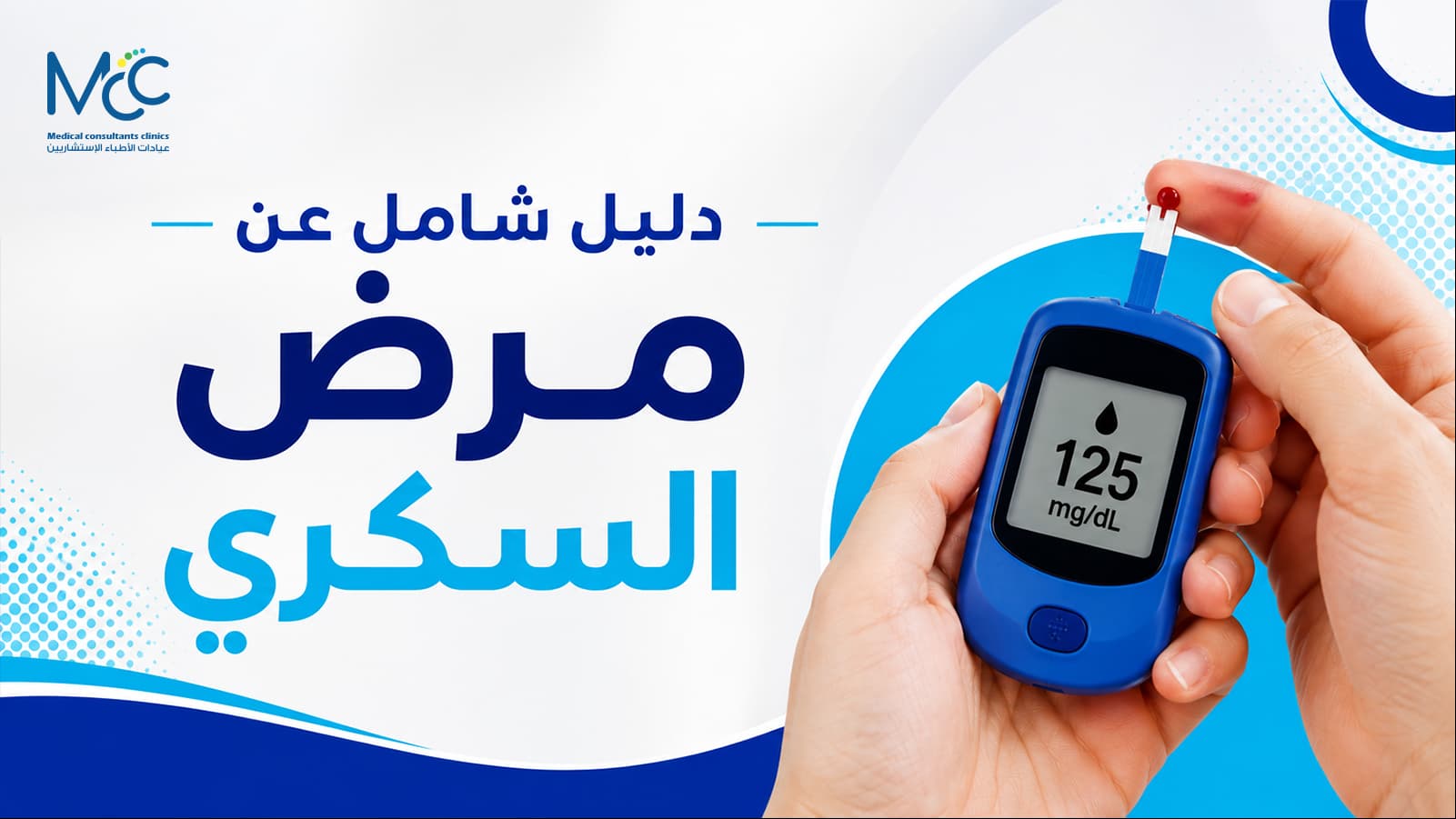
Diabetes is one of the most common chronic diseases worldwide.
It occurs when the body does not produce enough insulin or cannot effectively use the insulin it produces, resulting in elevated blood glucose levels. Over time, uncontrolled high blood sugar can damage the heart and blood vessels, eyes, kidneys, and nerves.
According to the World Health Organization (WHO), the number of people living with diabetes increased from approximately 200 million in 1990 to 830 million in 2022. More than 95% of people with diabetes have type 2 diabetes.
What Is Diabetes?
Diabetes is a chronic metabolic disorder that affects how the body processes glucose, the main source of energy for many cells.
The main types include type 1 diabetes, type 2 diabetes, and gestational diabetes.
Type 1 diabetes occurs when the pancreas produces little or no insulin and usually requires lifelong insulin therapy. Type 2 diabetes, the most common form, develops when the body becomes resistant to insulin or does not produce enough insulin to maintain normal blood glucose levels.
Causes of Diabetes
The causes of diabetes vary depending on the type.
Type 2 diabetes is associated with several risk factors, including overweight and obesity, physical inactivity, family history, and genetic factors.
Type 1 diabetes involves autoimmune and genetic factors, although its exact causes are not fully understood. Maintaining a healthy weight, exercising regularly, and following a balanced diet can help prevent or delay the onset of type 2 diabetes.
Symptoms of Diabetes
Diabetes symptoms can vary between individuals and may remain mild or unnoticed for years, particularly in type 2 diabetes.
Common symptoms include:
- Excessive thirst
- Frequent urination
- Fatigue
- Blurred vision
- Unintentional weight loss
- Slow wound healing
Regular blood glucose screening is therefore important, particularly for people with risk factors for diabetes.
How Is Diabetes Treated?
Treatment for diabetes depends on the type of diabetes and the individual's overall health.
Management may include a healthy eating plan, regular physical activity, blood glucose monitoring, prescription medications, and insulin therapy when required.
People living with diabetes also need regular medical follow-up to monitor blood glucose, blood pressure, cholesterol, kidney function, eye health, and foot health. This helps reduce the risk of long-term complications.
Recommended Foods for People With Diabetes
There is no single diet that works for everyone with diabetes. However, healthy eating patterns generally include nutrient-dense and fibre-rich foods such as non-starchy vegetables, appropriate portions of fruit, whole grains, and healthy sources of protein.
It is also advisable to limit foods high in added sugars and saturated fats, as well as sugary drinks. Water and other low- or no-added-sugar beverages are generally preferable.
Frequently Asked Questions
Can High Blood Sugar Cause Shortness of Breath?
Severely elevated blood glucose can contribute to shortness of breath, particularly in a serious condition known as Diabetic Ketoacidosis (DKA). DKA is a medical emergency that requires immediate treatment.
If shortness of breath occurs alongside severe thirst, vomiting, abdominal pain, confusion, or significant weakness, urgent medical attention should be sought.
Is There a Link Between the Liver and Diabetes?
Yes. There is a strong relationship between the liver and diabetes, particularly type 2 diabetes. Insulin resistance, obesity, and type 2 diabetes are associated with an increased risk of Metabolic Dysfunction-Associated Steatotic Liver Disease (MASLD), formerly known as non-alcoholic fatty liver disease (NAFLD).
Can a High HbA1c Cause Dizziness?
HbA1c (glycated haemoglobin) reflects average blood glucose levels over the previous several months. A high HbA1c level does not necessarily mean that dizziness is directly caused by the HbA1c itself.
Dizziness may occur when blood glucose is currently too high or too low, or because of dehydration or another medical condition. Recurrent dizziness should therefore be evaluated by a healthcare professional.
This article is for general awareness and does not replace consulting a specialist. Please visit the clinic to assess your condition.
Have a health question?
Reach our medical team on WhatsApp.